BRUEST CATALYTIC HEATERS IN ACTION
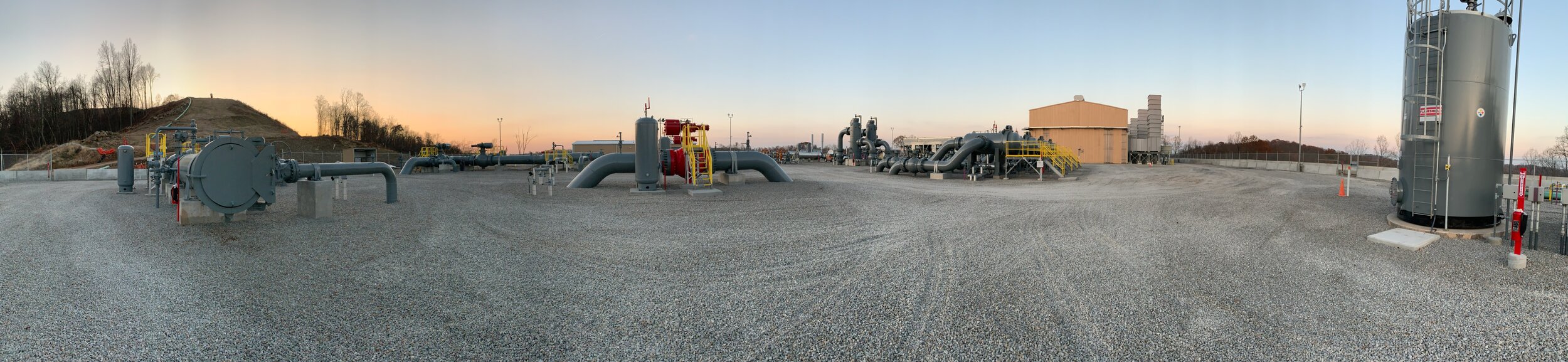
Bruest’s Catalytic Heaters are flameless, free of emissions, low maintenance and safe for hazardous locations. They offer multiple catalytic heating solutions for the natural gas industry. See the KERR team in action and get an overview of Bruest Catalytic Heater applications.
For 61 years, Kerr Engineered Sales has represented Bruest Catalytic Heaters, providing flameless, infrared catalytic heating solutions for the natural gas industry.
This article has a general overview of catalytic heater operations and applications.
The safest, most efficient alternative wherever flameless heat is required, Bruest Catalytic Heaters are found in heating applications along the gas network starting from the well head to the end user. Bruest leads the industry in engineering and manufacturing reliable, cost-efficient, green systems to prevent freeze-ups in critical metering and regulating equipment. Manufactured in Independence, Kansas, the catalytic heaters are used to heat meter buildings, platforms and pipelines.
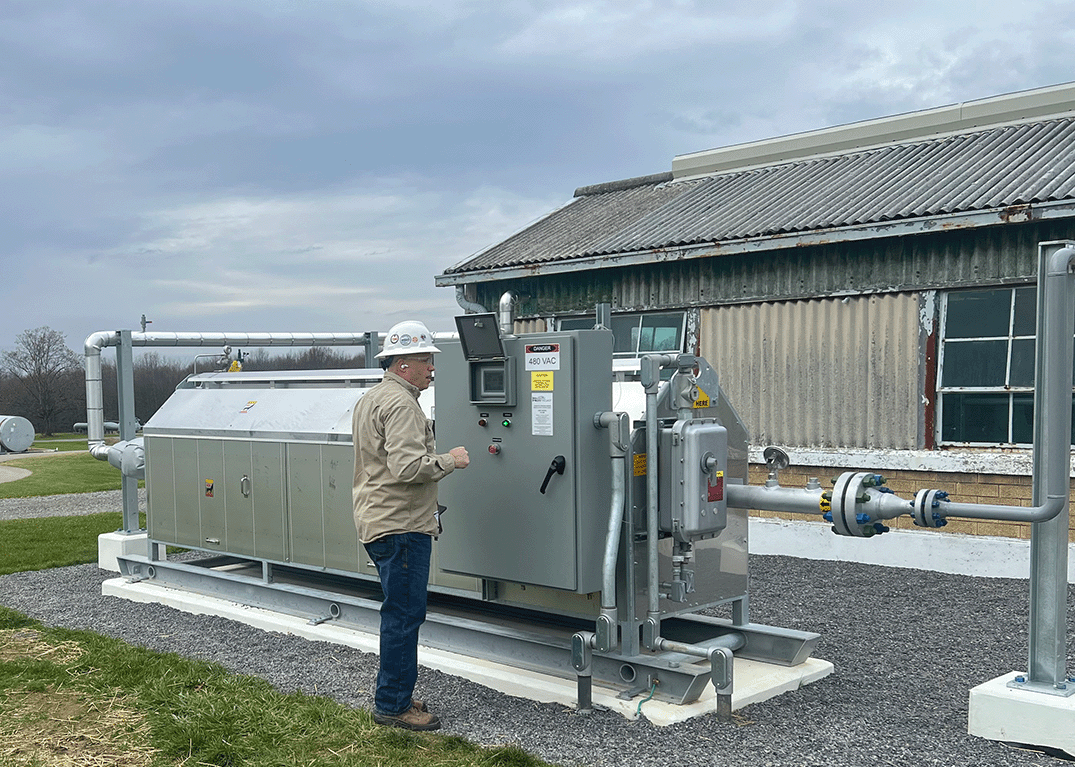
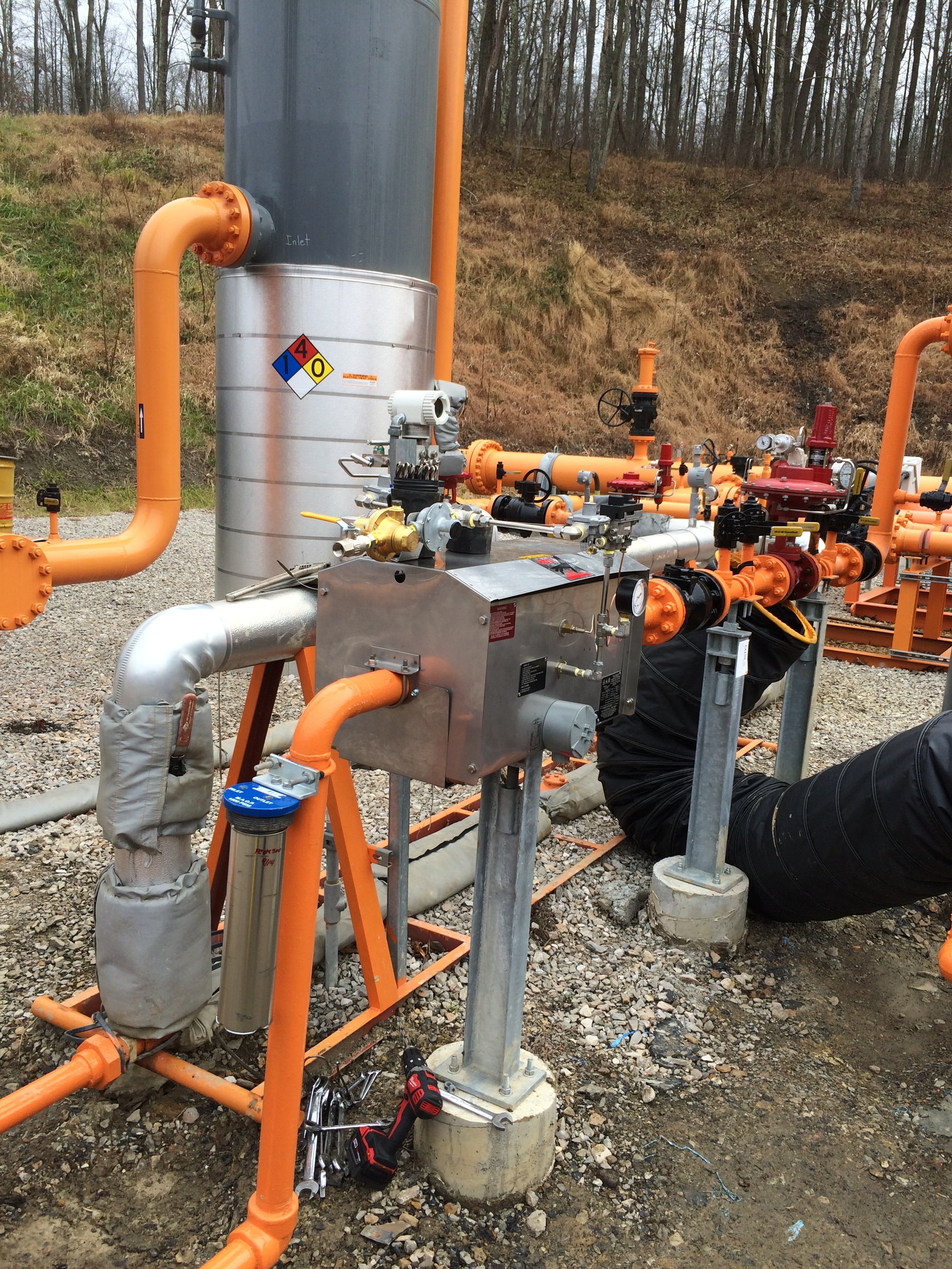
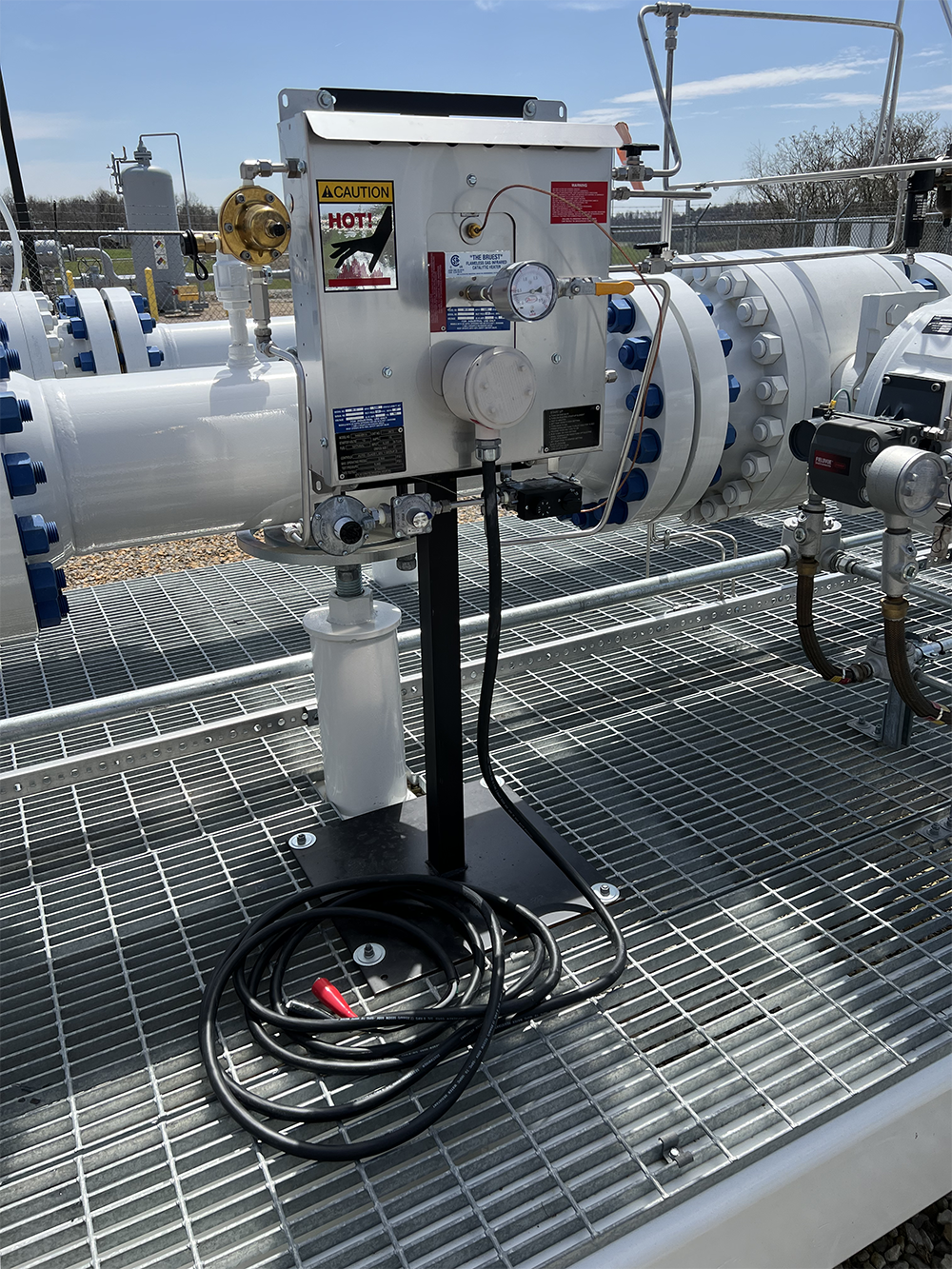
David Kerr fine tuning a new HOTCAT that heats fuel gas to power large, reciprocating compressors.

KERR customers who have Bruest Catalytic Heaters count on our practical experience of how to start and operate the heaters. For fine tuning new heaters, or troubleshooting heaters that are decades old, our Application Specialists are on the ground to answer questions and provide support to ensure that the heaters are safe and working optimally.
BEnefits of bruest catalytic heaters


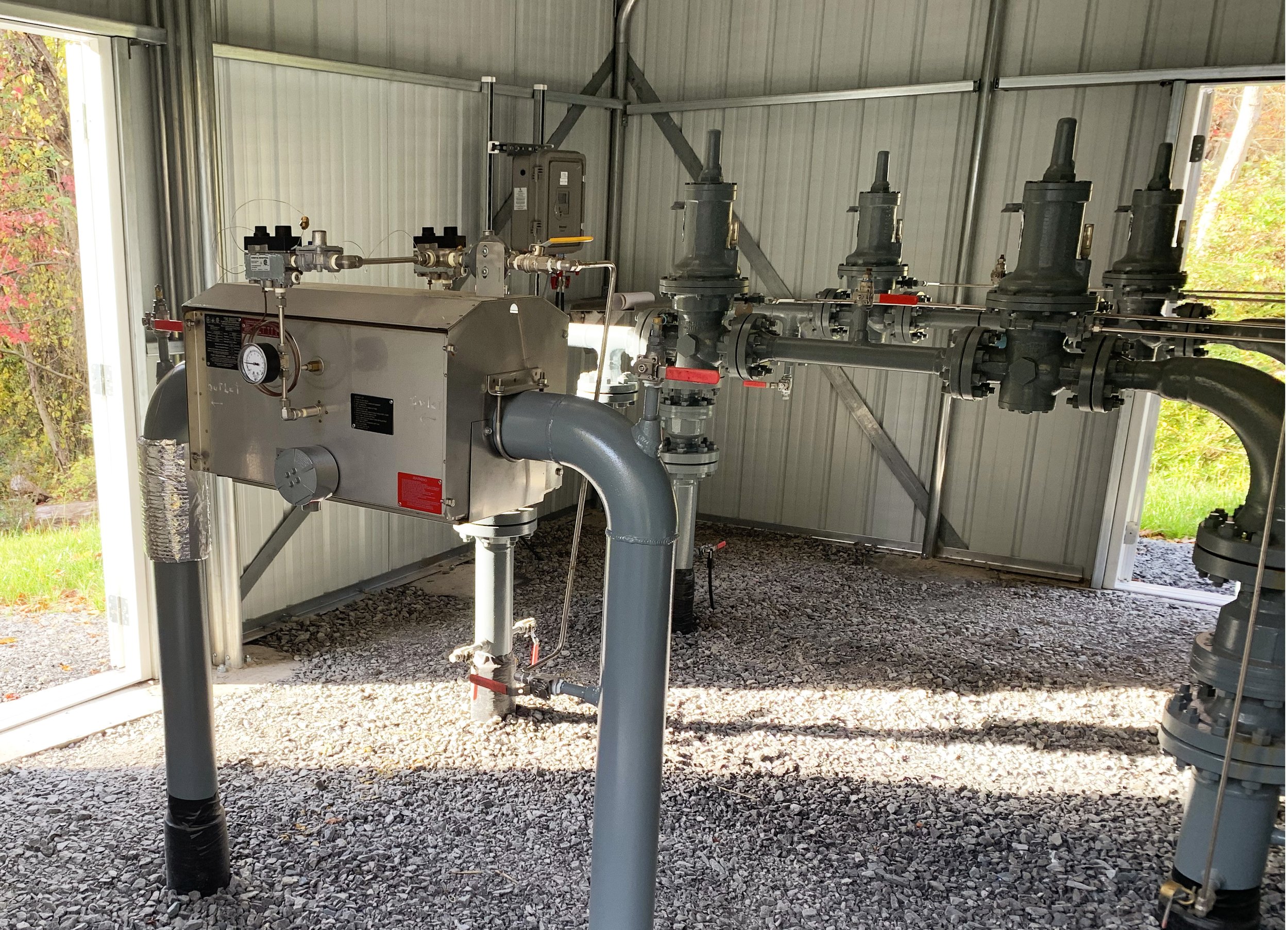
Thomas Kerr helping install and start up a series of Bruest flameless heaters at a Compressor Building. They replaced a boiler.
Catalytic Heater Fundamentals
Catalytic heaters produce flameless, infrared radiant heat. Bruest heaters cause natural gas to release its energy at a much lower temperature with a catalyst. The natural gas auto- ignition temperature is between 1200 - 1400 degrees Fahrenheit.
Bruest heaters operate at temperatures of around 900F-900F (426C to 483C.)

It’s not magic.. it’s an Exothermic chemical reaction.
bruest heaters are rated for hazardous locations

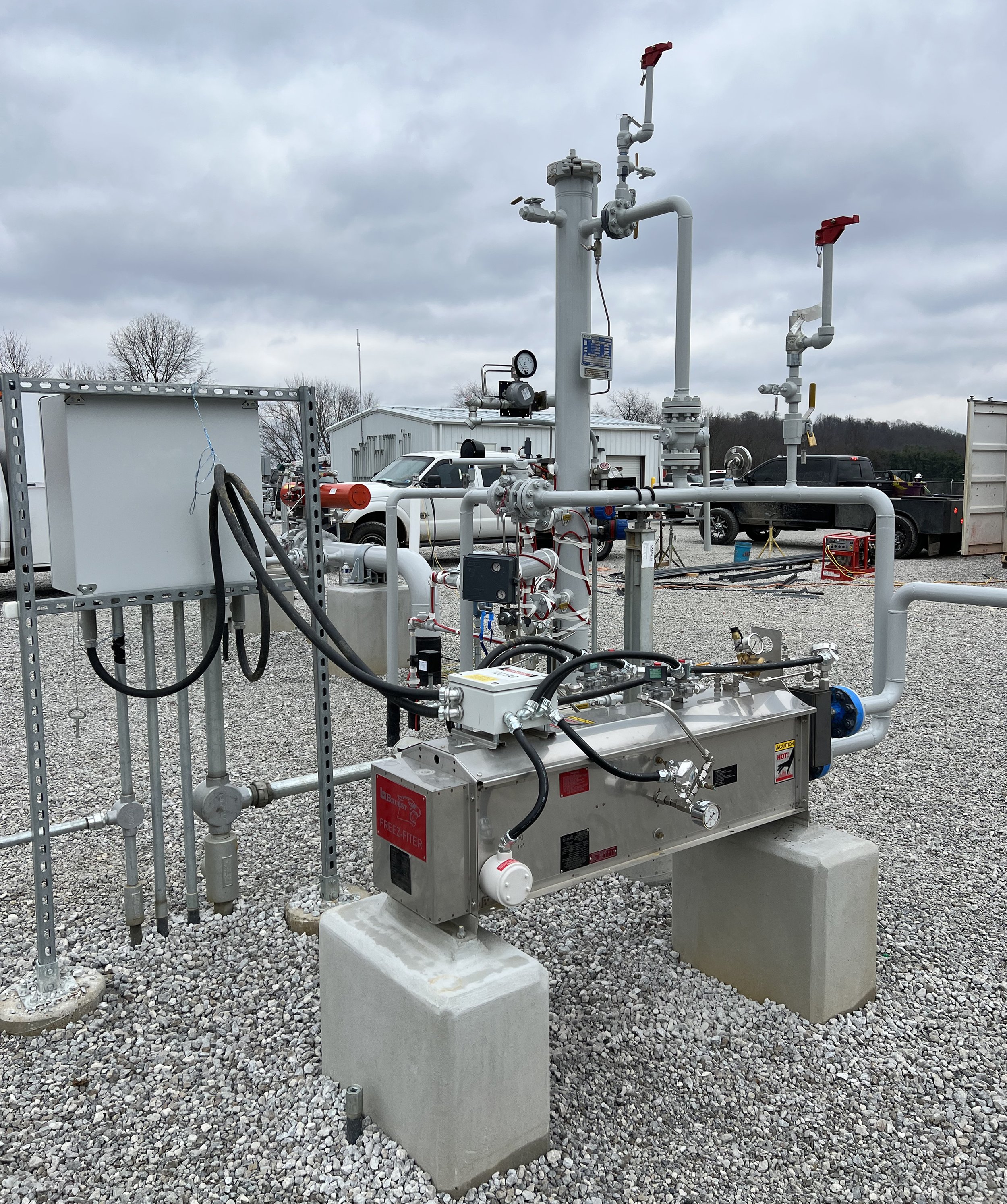
FREEZ-FITER with a Regulator
Bruest Catalytic Heaters are rated for operation by FM and CSA for operation in Class 1 Division 1 and 2 operation as well as ATEX for European applications. The catalytic heaters can be fueled with either Natural Gas or LPG.
CSA Class I Div 1 or FM Class I Div 2
Catalytic Pads require little to no maintenance
No moving parts

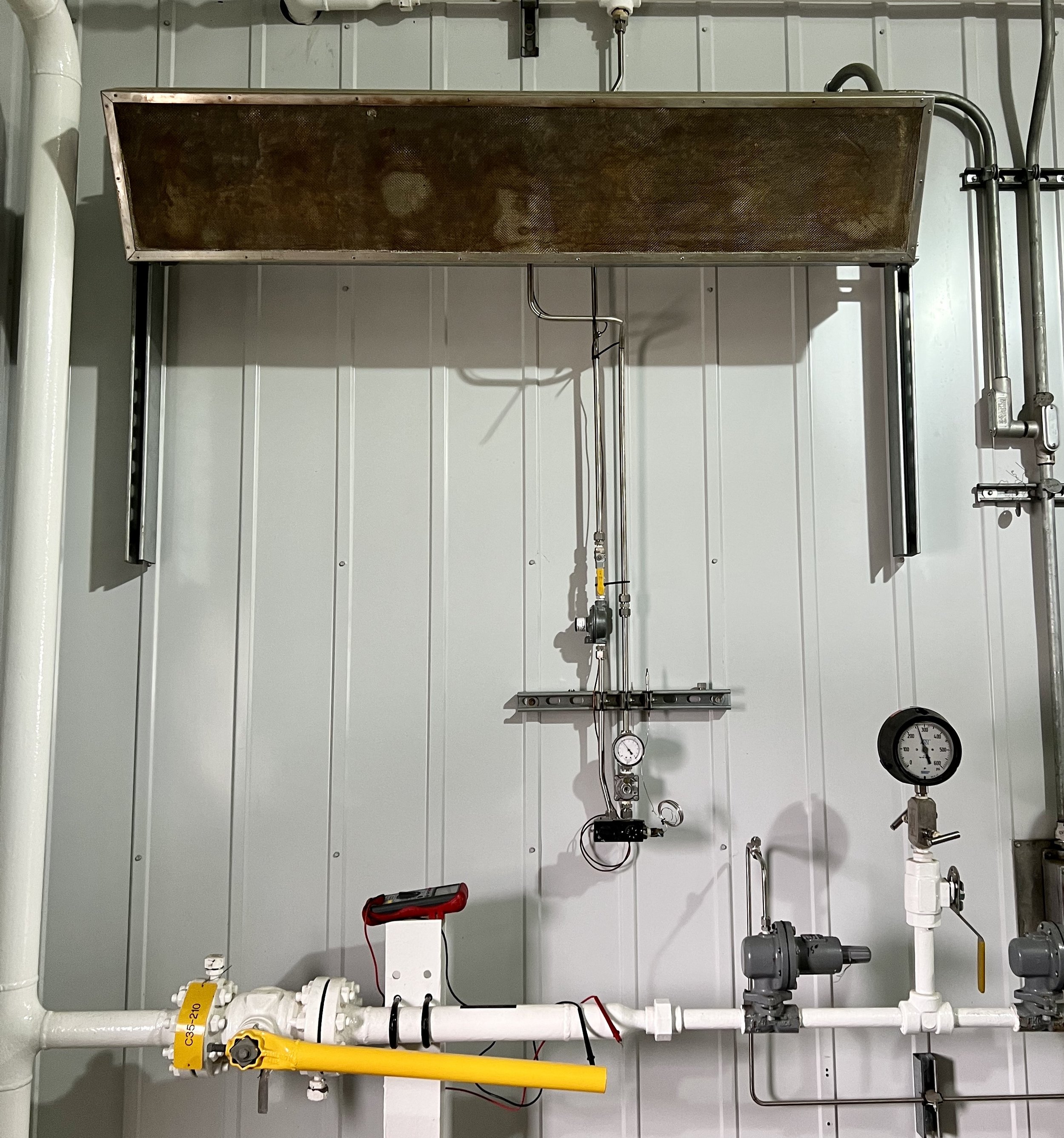
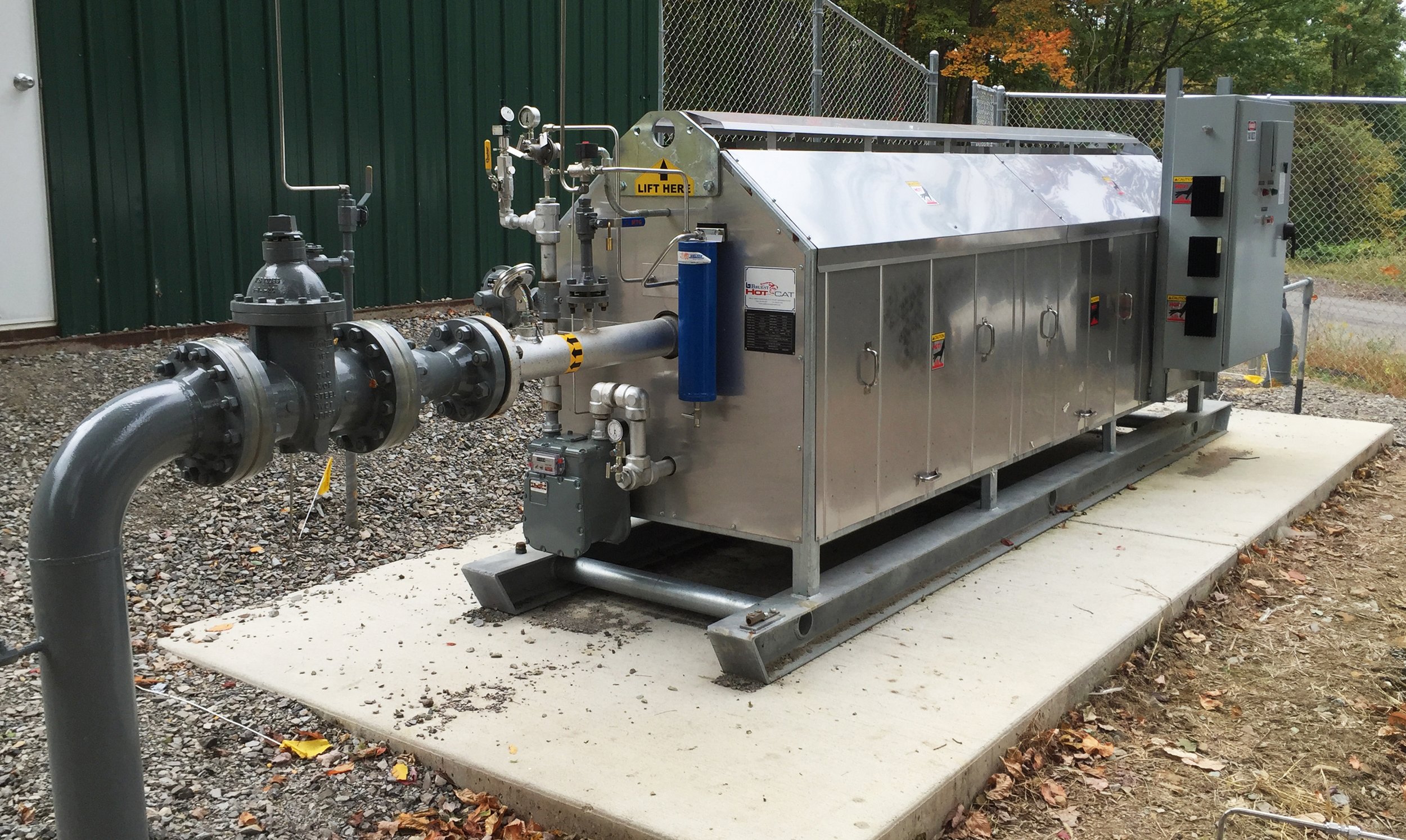
Catalytic heater at a Compressor Building in Eastern PA provides flameless heat to maintain temperatures above 50 degrees.

Thomas Kerr starting a Dual Coil Freez-FITER at a Compressor station
Freeze-FITER applied in front of an instrument preheats the gas

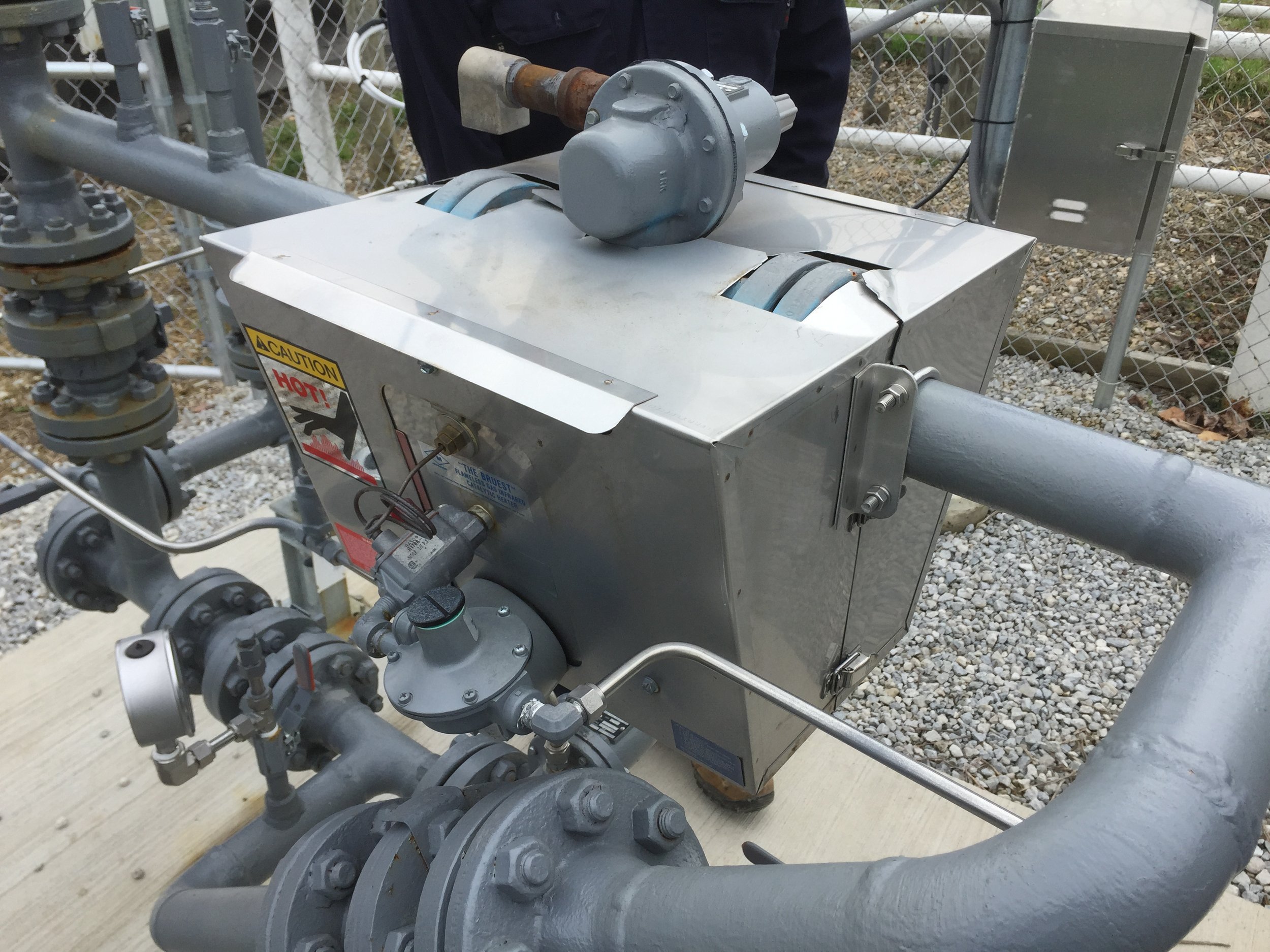
Cody Smith troubleshooting a HOTCAT at a regulator station in Virginia.

Daryl Smith diagnosed that the 11 yr old HOTCAT needed new heater pads.
MORE Applications for Catalytic Heaters


resources

Bruest Operations Guide

Bruest LDC Brochure
For additional Bruest Catalytic Heater support, training, maintenance or troubleshooting, contact us to speak with KERR’s Application Specialists.
Kerr Engineered Sales Company has been representing leading pipeline repair and performance companies in Eastern US since the company was founded in 1952. Seventy two years later, the company is a third generation family run business serving customers with the highest quality service and support.
PIPES ACT 2020 Inspection & Maintenance
These mandates require pipeline owners and operators to update their inspection and maintenance plans in order to address eliminating hazardous leaks and minimizing the release of natural gas from their pipeline facilities.

The PHMSA PIPES ACT 2020 mandates pipeline owners and operators to update their inspection and maintenance plans in order to address eliminating hazardous leaks and minimizing the release of natural gas (including intentional venting during normal operations) from their pipeline facilities. The statute requires pipeline operators to complete updates and have plans in place.
Have you implemented the PIPES ACT 2020 into your operational procedures?
Are you implementing set plans to reduce emissions when carrying out pipeline maintenance and repair projects?
Kerr Engineered Sales Company represents manufactures with multiple proven solutions to reduce emissions and assist in leak detection and repair.
Reducing Emissions With GPT

GPT Monolithic Isolation Joint
With gaskets and joints, seal ability is key. The VCS-ID gasket constructed of Glass Reinforced Epoxy (GRE) and a 316SS, has a PTFE (polytetrefluoroethylene) inside diameter (ID) immediately seals the pipe bore preventing media from getting to the GRE. The GPT Monolithic Isolation Joints for below ground pipe applications gives a positive, leak proof block against the flow of electrical current in the piping system.
The EVOLUTION gasket eliminates GRE completely. It benefits from the addition of the PTFE ID giving unparalleled sealing tightness performance, ideal for emission reduction in pipeline connections.
BRUEST CATALYTIC HEATERS

Bruest HOTCAT heaters upgrade performance with reduced emissions
Bruest offers catalytic converters that convert hydrocarbon such as Methane, Propane, and Butane to carbon dioxide and water vapor. The Bruest technology leverages the conversion process and generates infrared heat to safely heat up natural gas instruments such as valves, regulators, instrument gas and cold temperature sensitive devices.
ZEVAC = Zero emission vacuum & compression
ZEVAC is an industry pioneer in gas and liquid recovery technology and the recognized leader in methane mitigation applications. ZEVAC is ideal for reducing emissions on planned repairs or maintenance. The technology uses compressed air to draw the pressure down on a section of the pipe and capture natural gas to be re-compressed into an adjacent pipeline.

ZEVAC uses compressed air to draw the pressure down on a section of the pipe and capture natural gas to be re-compressed into an adjacent pipeline.
Each unit has a pneumatic powered vacuum that suctions methane from any pipe/vessel that needs to be de-pressurized.The other side of the ZEVAC unit compresses the gas back up to pipeline pressure so it can be discharged to a nearby transmission or distribution pipe.
GAZOMAT GAZOSCAN METHANE LEAK DETECTION
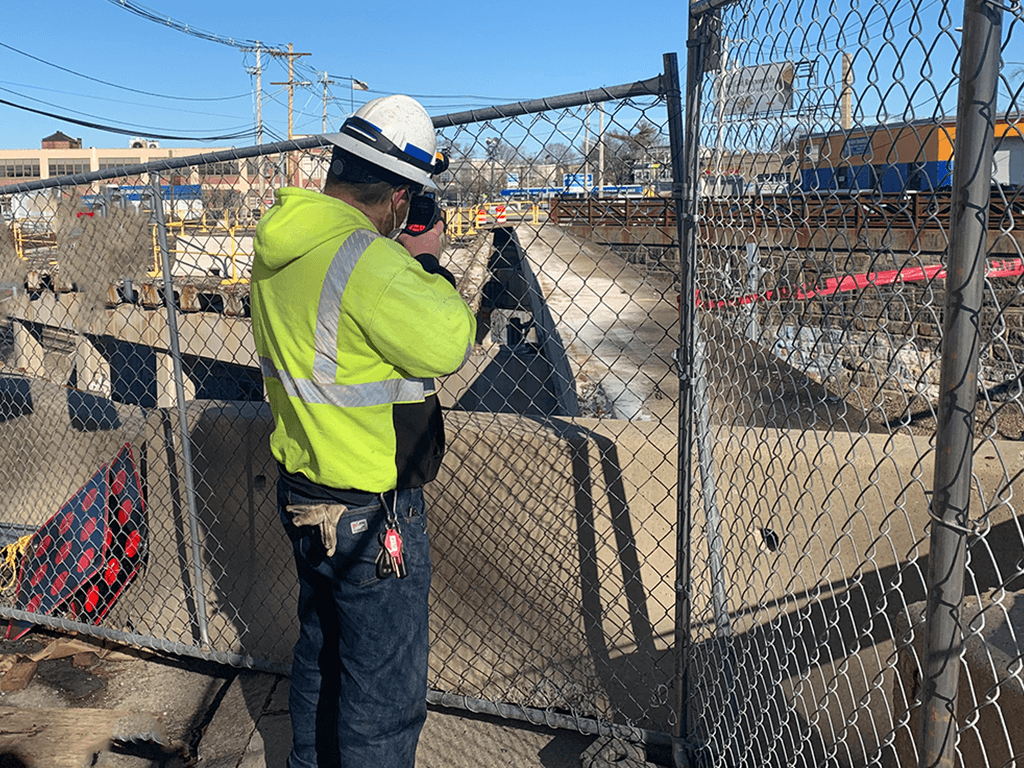
GAZOMAT Gazoscan methane leak detection
Using optical technologies, GAZOMAT detection equipment covers the entire field detection process, including high-speed inspection by car, leak detection on-foot, leak location and quantification, coupled with the newest data processing and GPS mapping tools.
TDW Pipeline maintenance

TDW STOPPLE® isolates a section of line for repairs while maintaining gas supply
T.D. Williamson hot tapping and plugging teams use world class technology to create safe work zones for pressurized pipeline maintenance, modification and repair. TDW in-line inspection (ILI) technologies are fully engineered to provide comprehensive threat assessment and to detect cracks and crack-like anomalies, corrosion and metal loss, dents and interacting threats.
To learn more, download the PHMSA Pipes Act guidelines below.
To discuss how Kerr can support your organization with PIPES ACT plans and implementation, contact us by email or phone at 1-800-245-3198.
Kerr Engineered Sales Company has been representing leading pipeline repair and performance companies in Eastern US since the company was founded in 1952. Seventy years later, the company is a third generation family run business serving customers with the highest quality service and support.