INTEC Fixed Gas Detection Systems
Kerr is proud to announce a new partnership with INTEC Controls, the leading provider of fixed gas detection systems.
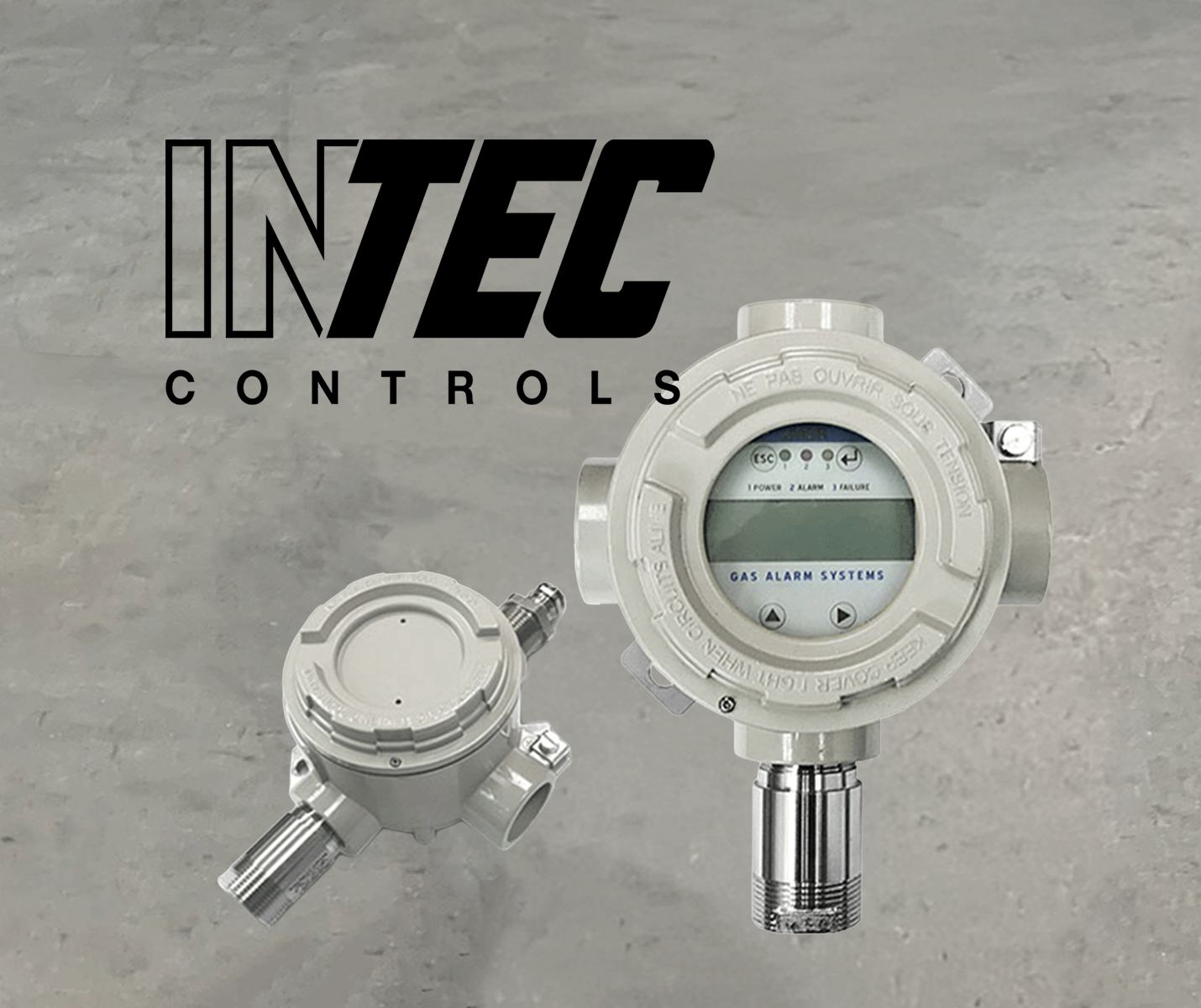
INTEC PX2
INDUSTRIAL GAS DETECTORS
September 2026 - Pittsburgh, PA
Kerr Engineered Sales Company announces new partnership with INTEC Controls. Unlike portable detectors, fixed detection devices make it possible to secure an entire area 24 hours a day. They can also be connected to a detection system, which displays the gas concentration in numerical value, and then triggers the servo-controls in the event of an abnormal value.
Detect abnormal or dangerous presence of gas in a specific area and warn users in the event of potential hazards. Some models are equipped with sensors that can measure the concentration of one or more types of gas.
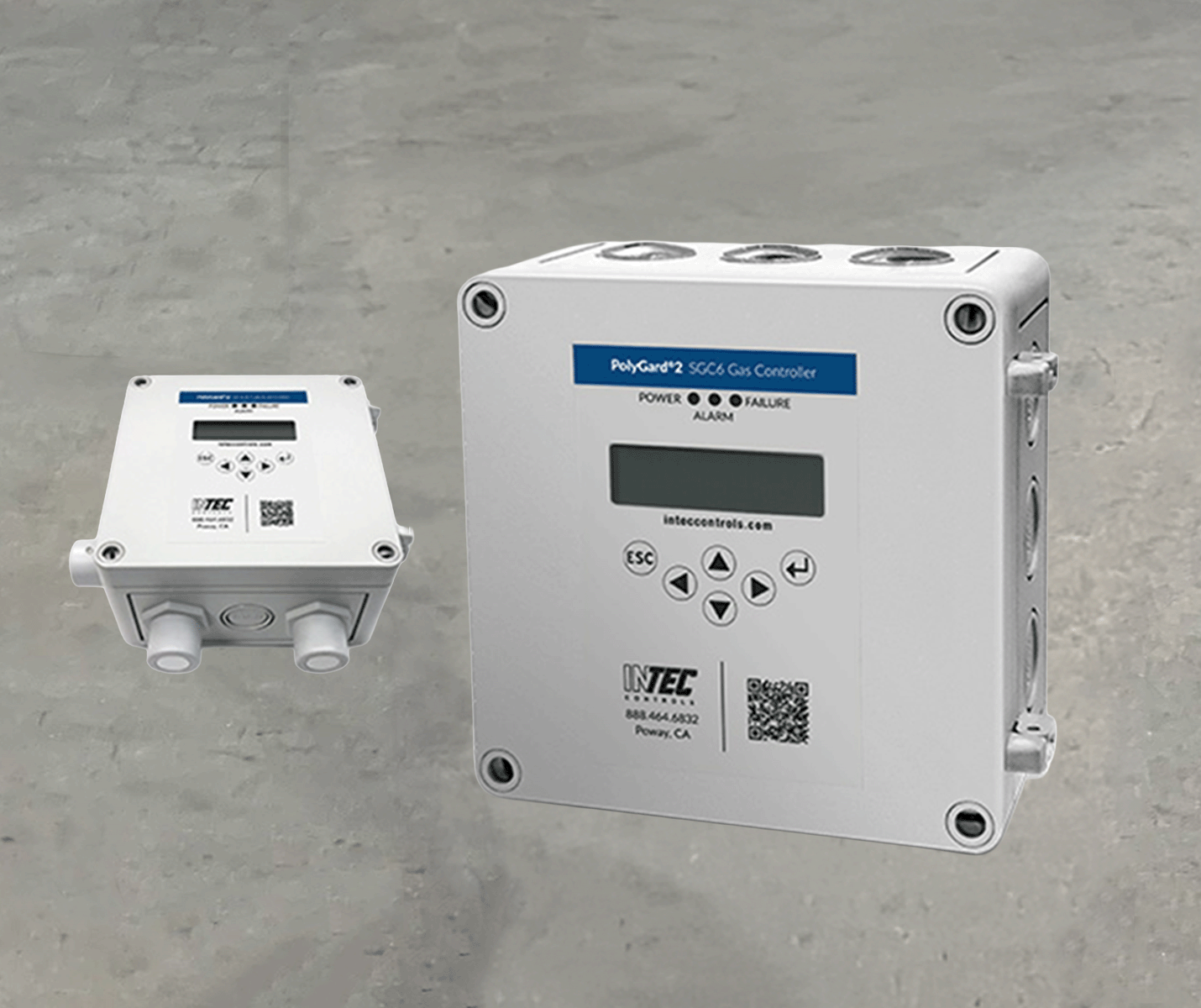
SGC6
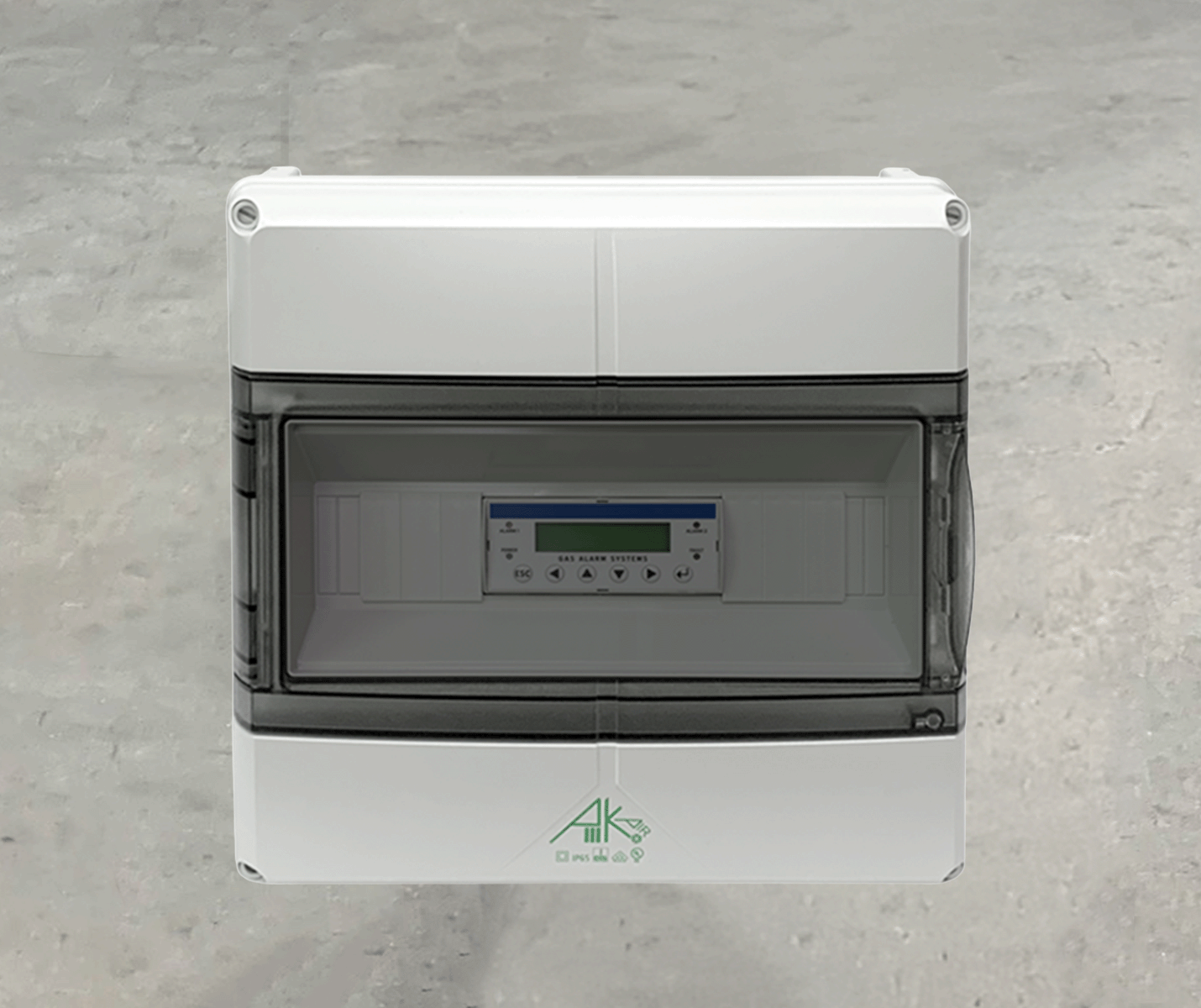
DGC6
“INTEC Controls offers a best-in-class range of products that meet the needs of pipeline operators for turnkey detection systems.”

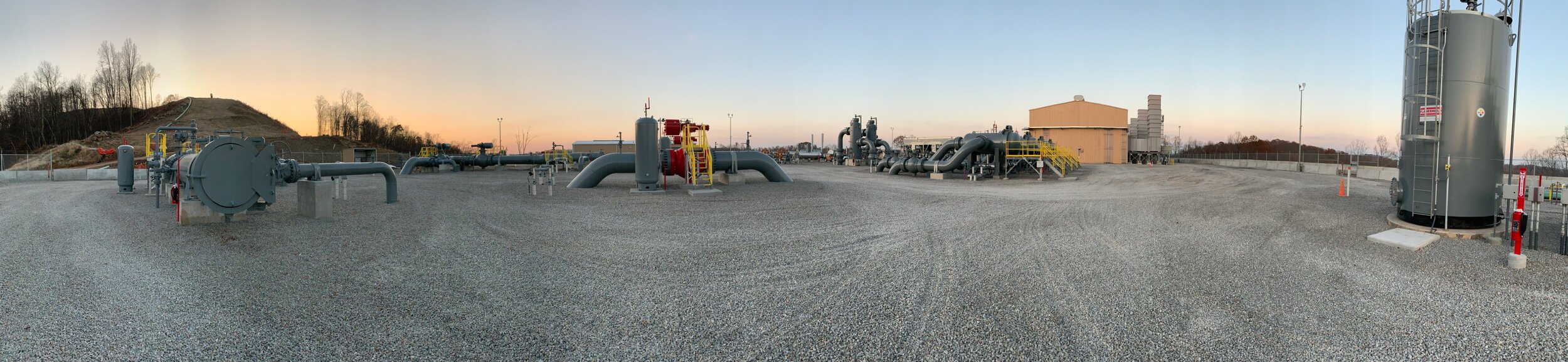
INTEC Products are stocked by United Products, KERR Engineered Sales distribution partner.
Since 1952, Kerr Engineered Sales Company has been a trusted partner in the Eastern U.S., representing leading companies in pipeline repair and performance. Today, 74 years later, the family-owned business continues to deliver exceptional service and expertise dedicated to improving the life of pipelines.
Our Application Specialists at Kerr are available for team presentations, lunch and learns and site visits. We are here to help you optimize your gas utility operations and ensure the safety and efficiency of your equipment.
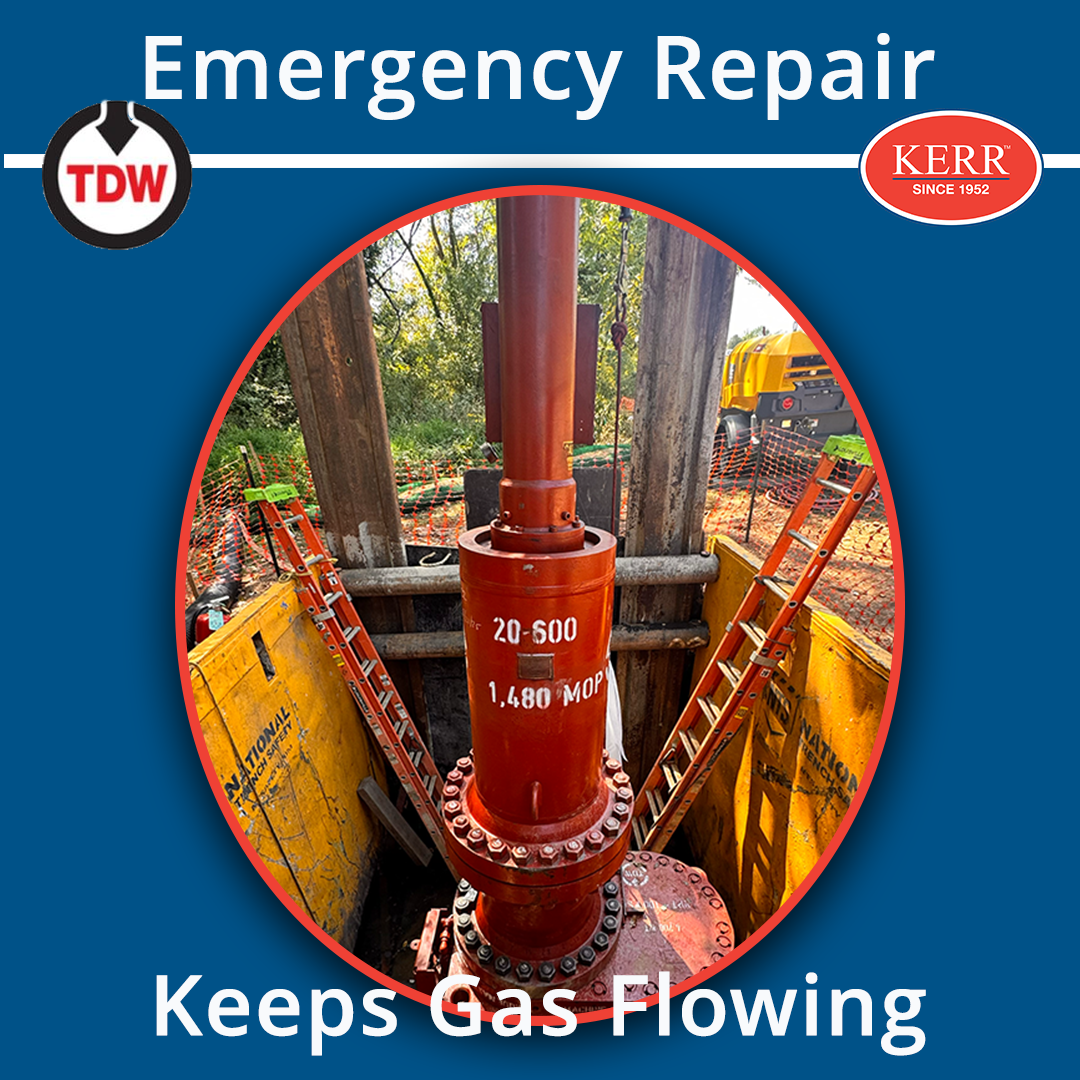
An Emergency Repair Keeps Gas Flowing
When a smart pig in-line inspection identified severe corrosion on a 20-inch high-pressure natural gas pipeline, the utility turned to Daryl Smith to coordinate an emergency repair.
How Kerr Engineered Sales and T.D. Williamson helped an east coast utility isolate and replace a severely corroded section of 20-inch high-pressure pipeline in two weeks.

20-inch TDW double STOPPLE® Train in action
When a smart pig in-line inspection identified severe corrosion on a 20-inch high-pressure natural gas pipeline, the utility had to act fast. The amount of corrosion was a serious integrity concern, requiring an emergency repair.
The Solution
The utility turned to Daryl Smith, Sr. Application Specialist from Kerr Engineered Sales. Daryl put an emergency project into motion to replace the corroded section of a carbon steel pipeline in an extremely tight timeline. The project had to be executed in multiple sites without interruption of gas service.
KERR and TDW developed a repair plan using a 20-inch double STOPPLE® Train double block and bleed solution with a full bypass. Daryl rapidly secured the needed double STOPPLE® Train isolation equipment, fittings, and completion plugs. Technical support was fast tracked. After schedules were rearranged, a TDW technician was onsite within days.
With the pipeline in service, crews installed fittings and valves and performed hot taps at multiple locations. The double STOPPLE® Train system was then used to isolate the affected section of pipeline while the temporary bypass maintained gas flow.
Complicated Bend
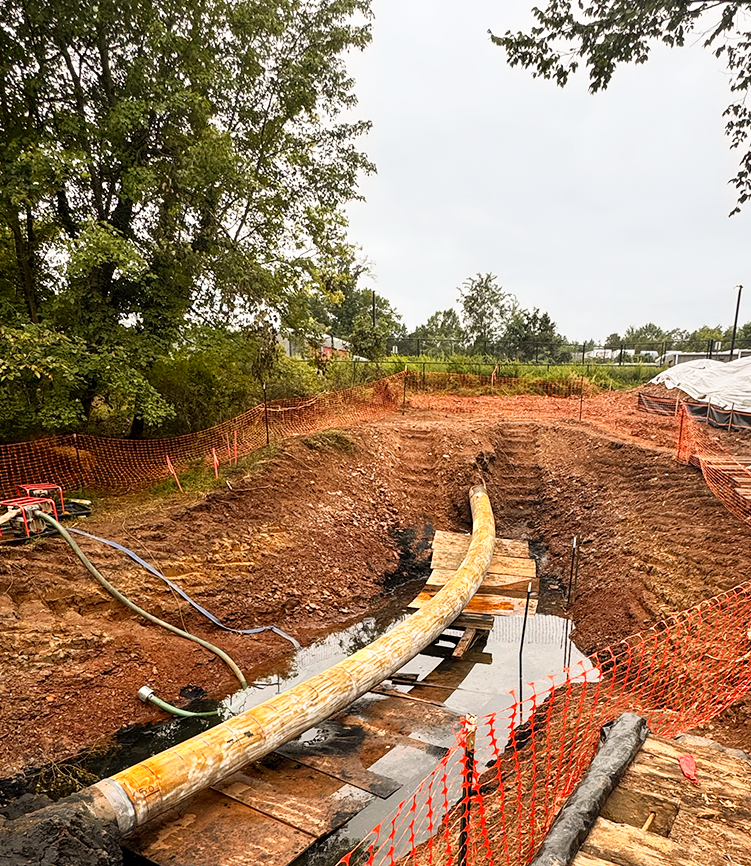
A bend in the pipeline added a challenge
One section of approximately 30-feet included a bend, complicating the project. This added a challenge to the repair and required careful planning and execution to safely remove and replace the affected section. A temporary bypass maintained gas flow while the damaged pipe and bends were removed and replaced.
The Result
Once the corroded section was replaced at every site, the isolation equipment was removed and the pipeline was safely restored to normal operation. The emergency repair was completed within the two week deadline while gas flowed. A combination of rapid equipment mobilization, technical expertise, and coordinated field execution allowed the utility to address a serious pipeline integrity issue quickly while maintaining service throughout the repair.
Due to highly skilled crews and fast acting support, the elevated risks associated with a severely corroded pipeline were averted.
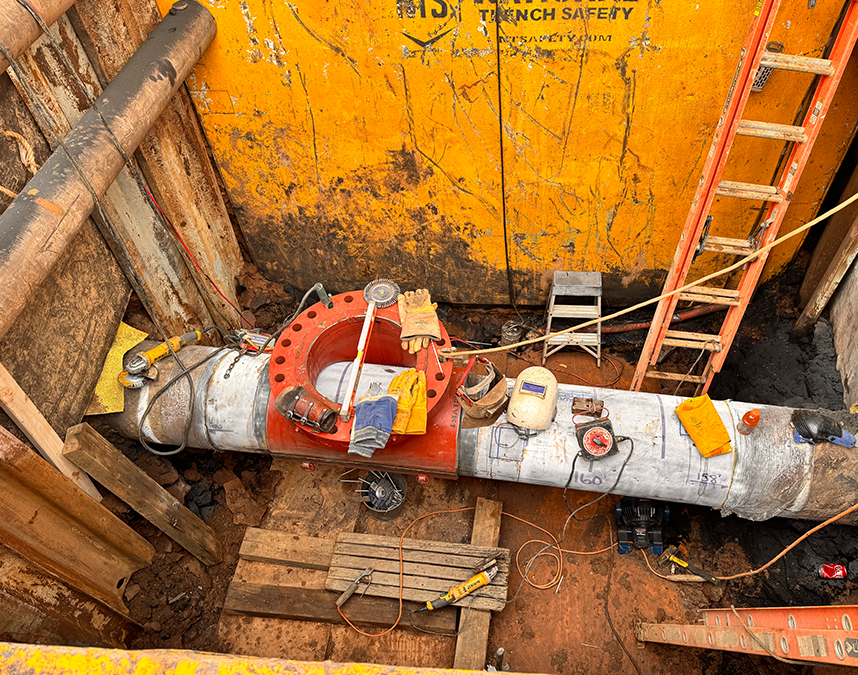
Preparations for the double STOPPLE® Train double block and bleed
Kerr Engineered Sales Company has represented leading pipeline repair and performance companies in Eastern U.S. since the company was founded in 1952. Today, 74 years later, KERR remains a family business providing gas utilities with equipment, technical expertise, and field support for challenging pipeline operations.
The team of Application Specialists at Kerr Engineered Sales Company is available for technical presentations, product demonstrations, and onsite visits.
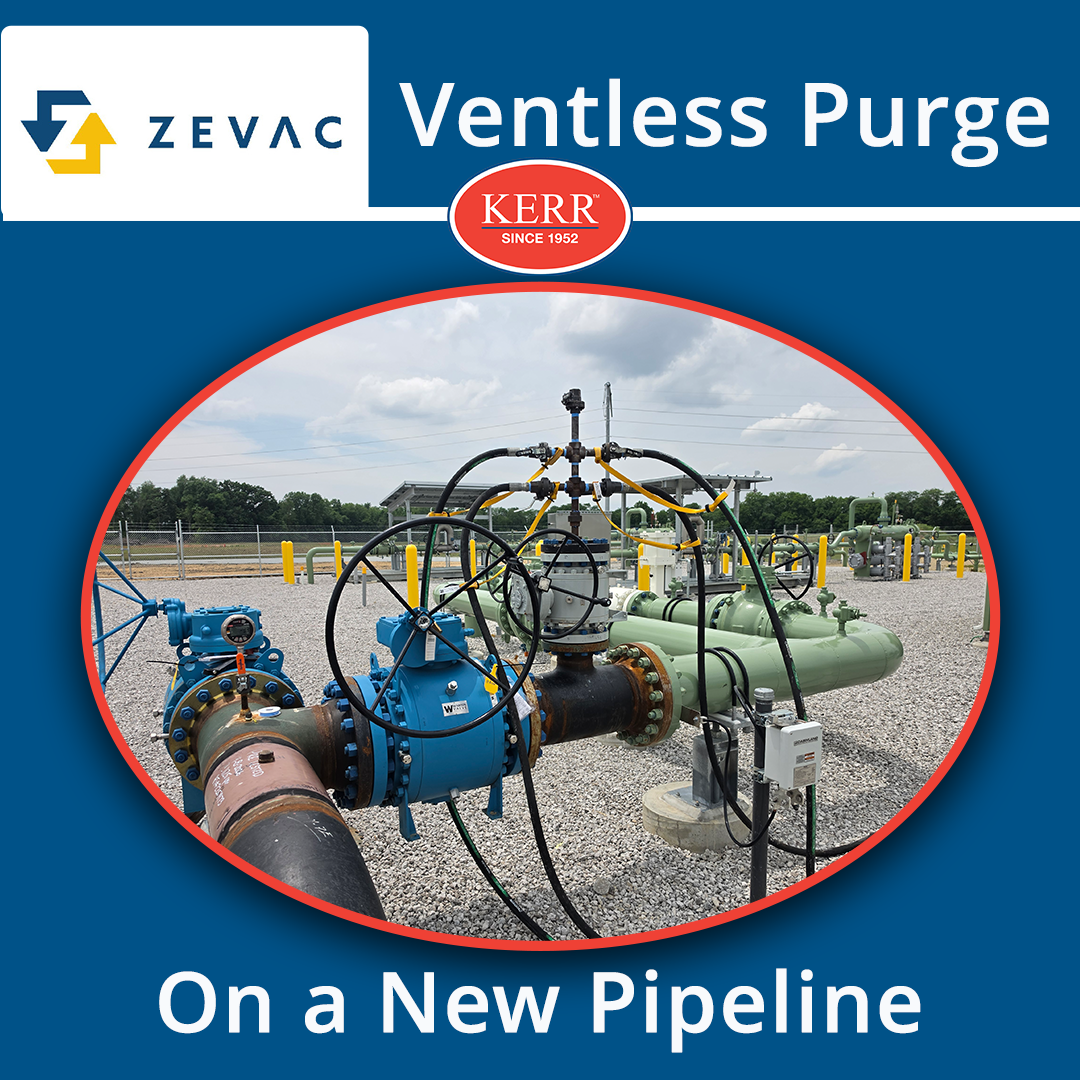
ZEVAC Ventless Purge on a New Pipeline
See how ZEVAC cross compression purged a five mile section of new construction pipeline without venting. Using compressed air as a vacuum, the pipeline was cleared and feed gas was introduced into the system the next day.
ZEVAC technology purged a 12" diameter new construction pipeline.
See how ZEVAC cross compression was used to do a ventless purge on five mile segment new pipe, using compressed air as a vacuum. Pipeline feed gas was introduced into the system the next day.
Instead of releasing gas to the atmosphere, ZEVAC helps utilities safely capture and manage natural gas in pipelines. The pneumatic (air) powered and controlled technology eliminates the noise, permits, notifications, hazards, and difficulties of venting and flaring.
ABOUT ZEVAC
From mobile gas evacuation units to fully customized equipment and field services, ZEVAC enables a closed-loop system of capturing, transferring, and reusing natural gas during pipeline operations. The methane mitigation equipment reduces product loss, minimizes costly service calls, and supports safer, more efficient maintenance across the gas distribution network.
Since 1952, Kerr Engineered Sales Company has represented leading pipeline and performance equipment manufacturers across the Eastern U.S. With four generations of family leadership, Kerr continues to serve the industry with the same commitment to quality, reliability, and personal service that has defined our company for more than 74 years.
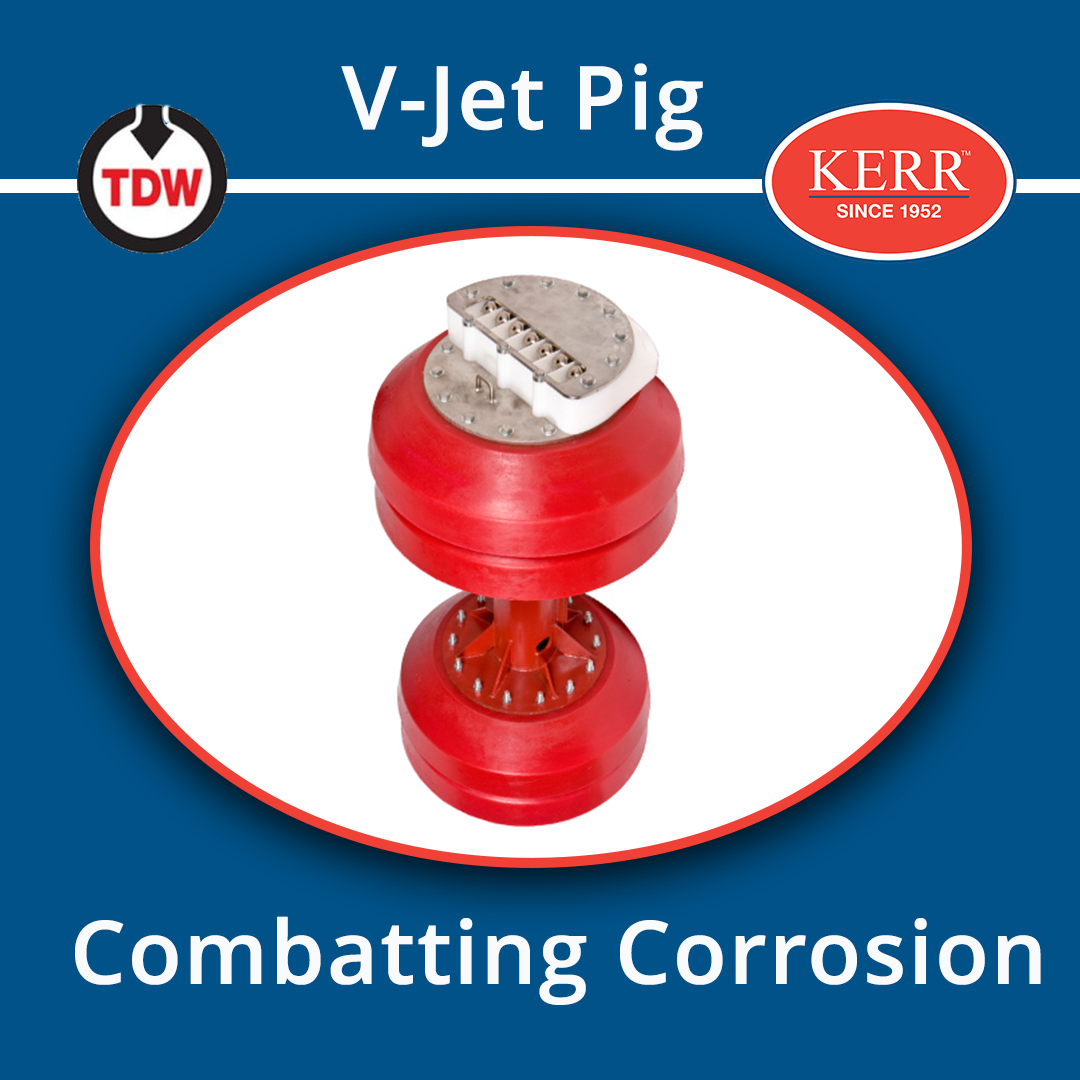
V-Jet Pig: Combatting Corrosion
TDW V-Jet® Corrosion Inhibitor Pig was engineered to address the challenge of Top of Line Corrosion. the V-Jet® pig takes a direct and efficient approach of redistributing inhibitor fluid where it’s needed most.
TDW PIGGING INSIGHTS - Episode 7
Top-of-line corrosion (TLC) remains a persistent issue in natural gas pipelines. By its nature, TLC is difficult to control because corrosion inhibitors tend to settle along the bottom of the pipe, leaving the uppermost portion of the pipe wall exposed and vulnerable. Over time, this uneven protection can lead to accelerated internal corrosion, integrity concerns, and increased maintenance costs.
How it Works: The TDW V-Jet® Pig
The TDW V-Jet® Corrosion Inhibitor Pig was engineered to address the challenge of TLC. Instead of relying on traditional methods that struggle to reach the top of the pipe, the V-Jet® pig takes a more direct and efficient approach by redistributing inhibitor fluid where it’s needed most.
The V-Jet® design is a series of strategically placed spray nozzles integrated into the scraper body. As the pig travels through the pipeline:
Corrosion inhibitor that has pooled at the bottom of the pipe is drawn into the pig through inlet ports
The system uses differential pressure to propel the pig forward
That same pressure is leveraged to redirect inhibitor fluid through the internal spray system
The inhibitor is then projected upward, coating the top of the pipe wall
This process is enhanced by a venturi effect created by the pig’s bypass design. The bypass flow acts as an accelerant, helping atomize and distribute the inhibitor more effectively across the upper internal surface.
Engineered for Simplicity and Reliability
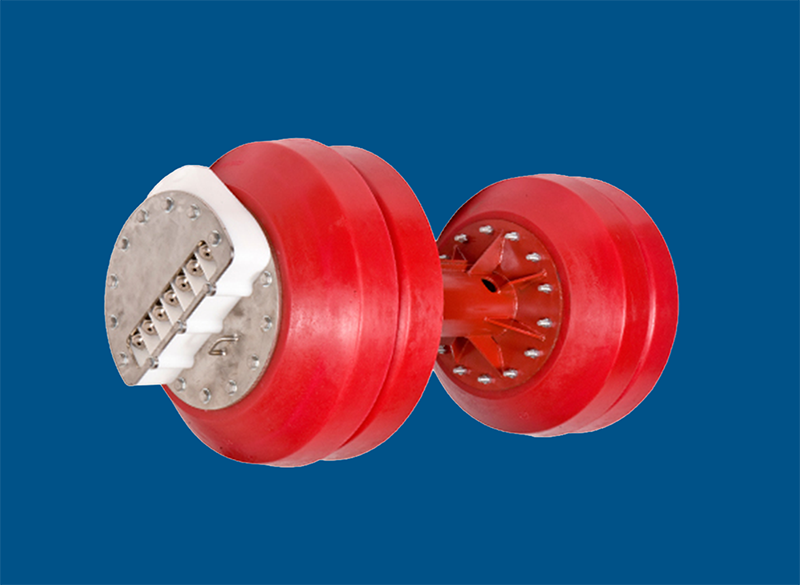
TDW V-Jet® Corrosion Inhibitor Pig
One of the strengths of the V-Jet® pig is its straightforward, field-proven design:
No moving parts
No onboard pressure vessels
No need for pre-charging or complex setup
That simplicity translates to reliability in the field and reduces operational complications during pigging runs.
The ability to consistently deliver corrosion inhibitors to the top of the line is a significant step forward in managing internal corrosion. The V-Jet® pig provides a practical, cost-effective way to improve inhibitor distribution without adding unnecessary complexity to operations.
Bottom Line
With the right tools, TLC can be managed effectively. The TDW V-Jet® Corrosion Inhibitor Pig offers a proven method to enhance protection where traditional approaches fall short.
To learn more about the TDW V-Jet® Corrosion Inhibitor Pig or to discuss your application, contact the KERR team.
The team of Application Specialists at Kerr Engineered Sales Company is available for presentations, product demonstrations, lunch and learns and customer visits.