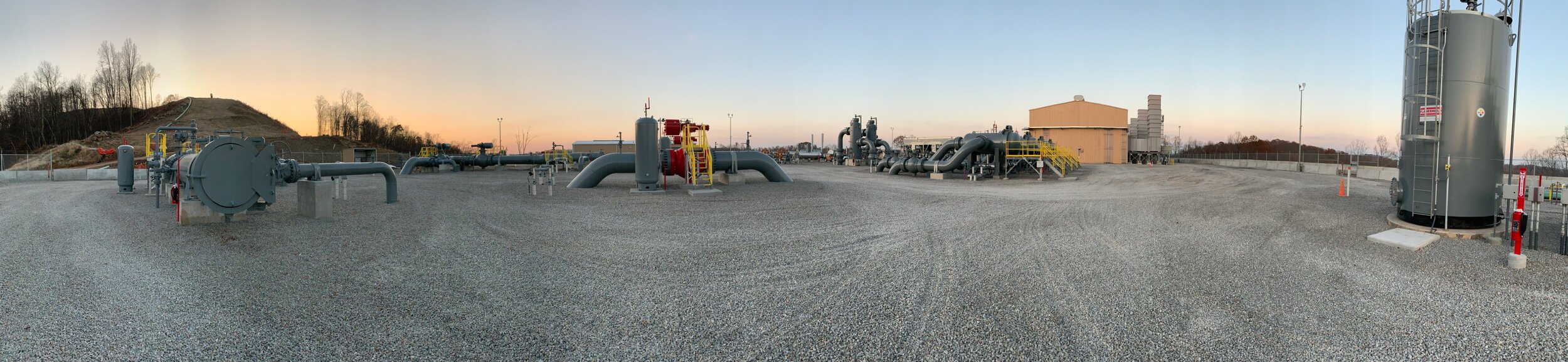
Converting a Pipeline to a Piggable Asset
A multi-phased operation transformed a ten mile segment of a 12-inch transmission line into a piggable asset. The project was completed without interrupting gas service to customers.
An eastern utility had a critical transmission line that wasn’t piggable. When pigging, a device is run through a pipeline for cleaning, inspection, and maintenance. It’s an essential tool for an operator to perform in-line inspections and compliance with evolving regulatory requirements
Success wasn’t by chance. Nearly three years of planning and coordination between the utility, construction crews and technicians laid the groundwork for a disciplined, methodical execution. Over the course of six months, the ten-mile segment of a 12-inch bare steel pipeline was successfully transformed.
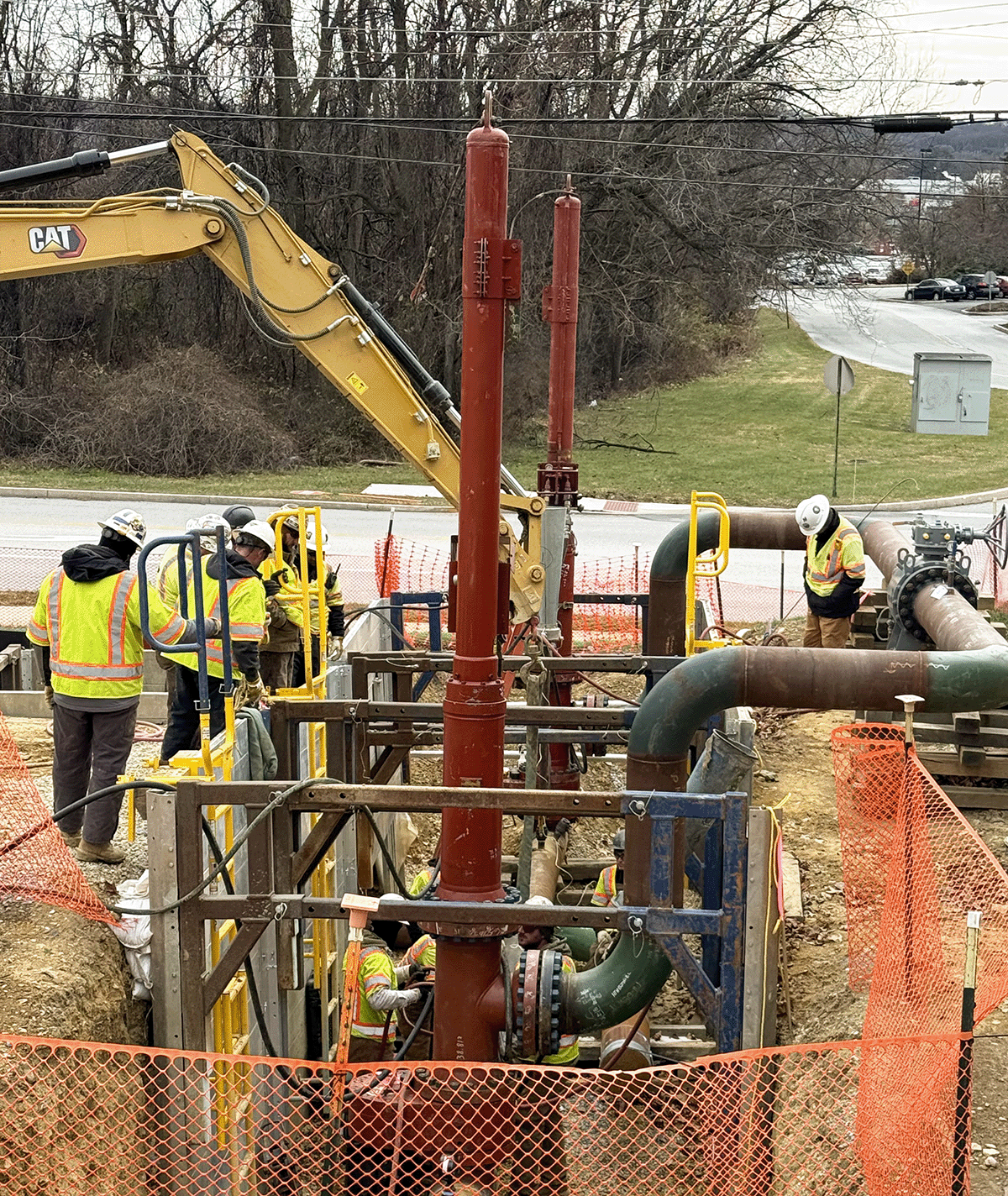
12-inch TDW Double STOPPLE® in action
Each phase was carefully sequenced to maintain system integrity while advancing the line toward full piggability. Today, the modernized asset supports in-line inspection, proactive maintenance, and long-term operational reliability.
Phases & Challenge
Converting the line was a multi-phase operation that required modifying a live pipeline under pressure. Dozens of precision isolation and tie-in activities were coordinated before the final commissioning.
Each step was executed while the line remained in service, maintaining continuous gas delivery across rural, suburban, and urban areas. The high-pressure transmission line traversed varied terrain and fed into multiple regulator stations with stops supplying gas to communities, schools, and businesses.
Equipment and services from KERR principals T.D. Williamson, CECO Peerless and ZEVAC® were deployed at different stages. Technologies included double STOPPLE® operations, hot taps, bypass, cross compression, separation and ultimately, pigging.
Pipeline Modifications
Multiple bends and fittings throughout the system that prevented pig passage had to be systematically cut out and replaced. One by one, these components were removed and replaced with configurations suitable for pig passage.
Each modification required isolating a section of the live pipeline. This was accomplished using double STOPPLE® operations with bypass.
At each location:
Fittings and valves were installed on the live line
Hot tapping services created access points
TDW STOPPLE® heads were inserted to isolate the section
Temporary bypass lines maintained flow around the work area
There were multiple 12-inch STOPPLE® operations, with additional 4-inch double TDW STOPPLE® bypasses. STOPPLE® train?
The approach allowed crews to cut out bends, install new sections including TDW 3-WAY™ tees. Then, the pipeline configuration was restored in stages, while gas continued to flow.
Emissions Reduction Through Cross Compression
Managing trapped gas between isolated sections was a critical project component. Rather than venting methane to the atmosphere, cross compression technology was used.
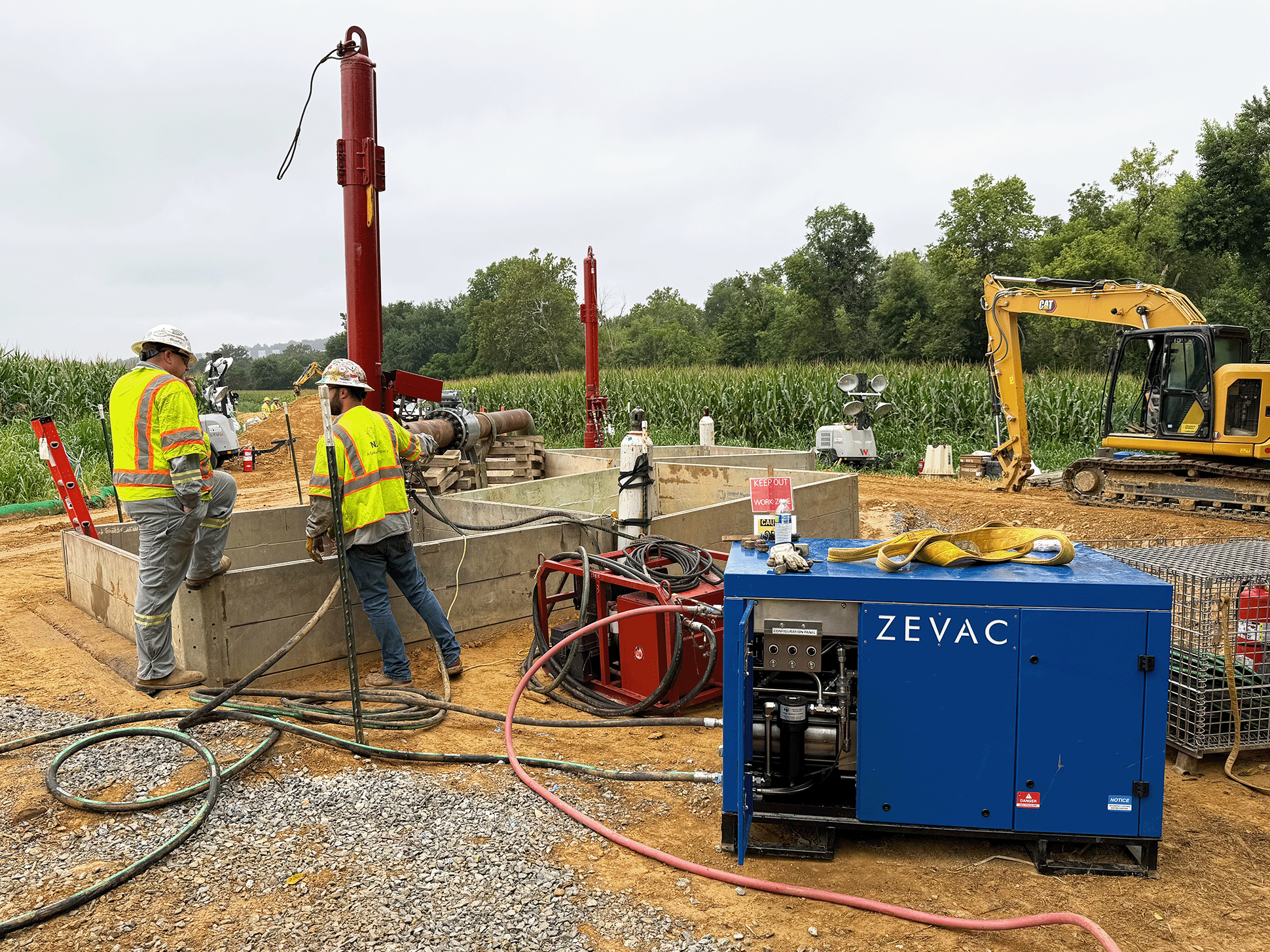
ZEVAC® cross compression was used to capture gas from isolated sections.
TDW crews were trained to operate a ZEVAC® system, allowing gas to be extracted from isolated sections and redirected back into the pipeline.
This approach:
Eliminated unnecessary methane emissions
Avoided costly third-party service dependencies
Maintained operational efficiency throughout the project
Additional System Upgrades
During the project, the utility used the opportunity to complete additional operational improvements, including:
Replacing and upgrading sections of pipe
Relocating pipeline components for improved performance
Testing of a new advanced isolation technology, TDW SHiiELD® double block and bleed system with dual independent barriers during live pipeline isolation.
Preparing for Pigging
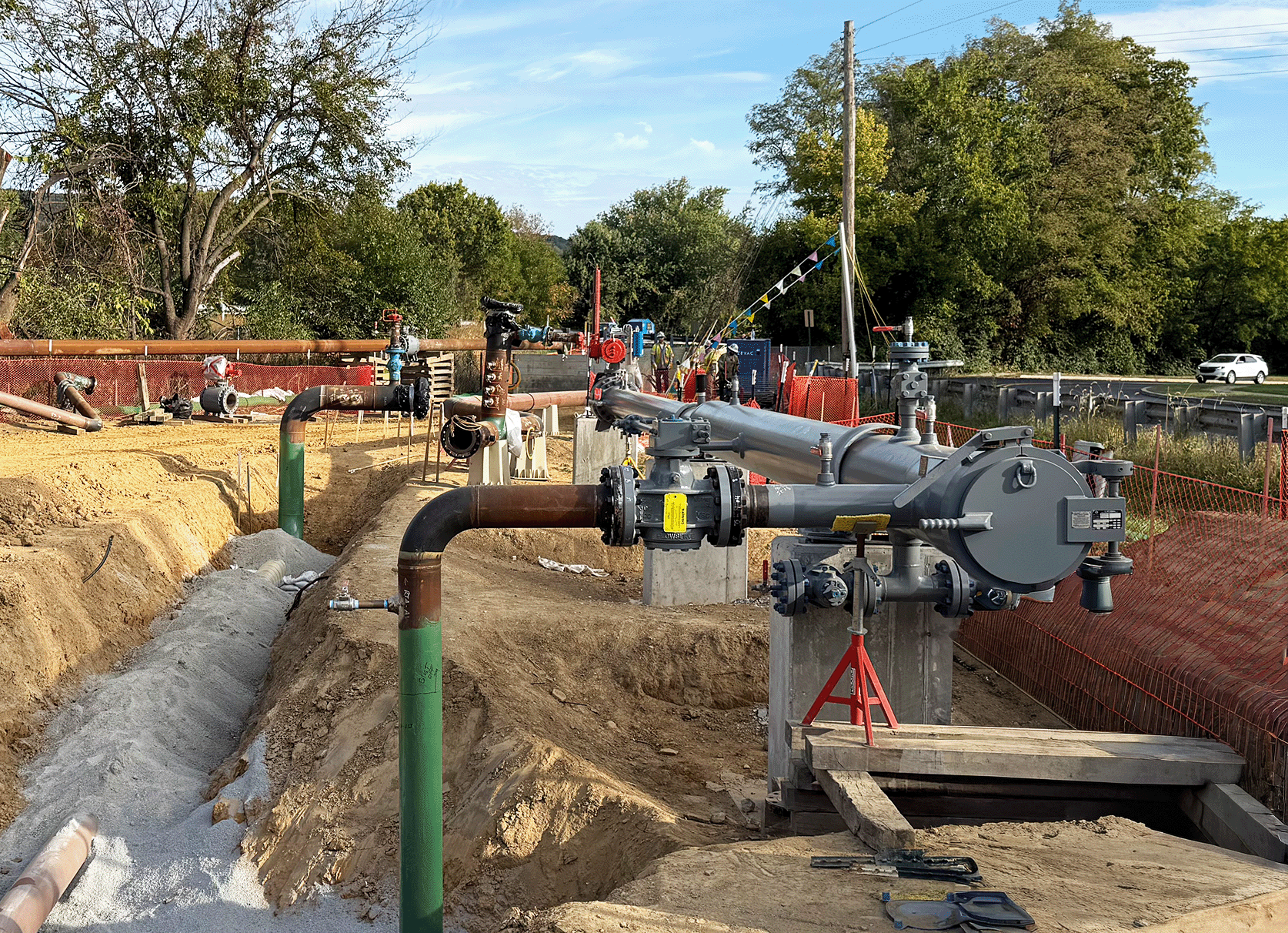
TDW D2000 Proseries closure on the pipeline.
Once the pipeline was fully modified, pigging operations were introduced using TDW pipeline pigs and D2000® closures.
A CECO Peerless filter separator was installed at the end of the line. During pigging, accumulated debris such as rust and sediment carried through the pipeline had to be removed from the gas stream. The filter separator ensured effective removal of these materials before gas re-entered the system.

Peerless Filter Separator removed sediment and debris from the gas stream
Results
The project was completed within six months without service interruptions or safety incidents.
[Need #] STOPPLE® operations completed successfully
Continuous gas service maintained throughout the project
Significant cost savings achieved by avoiding shutdowns
Methane emissions reduced through cross compression
Today, the transmission line is a modern, fully piggable asset compliant for ongoing inspections, maintenance, and long-term integrity management.
A winning formula for complex operations like these consists of meticulous coordination, proven technology and highly skilled teams.

Application specialists at Kerr Engineered Sales Company are available for demonstrations, team presentations, lunch and learns and site visits. We are here to help you optimize your gas utility operations and ensure the safety and efficiency of your assets.
Kerr Engineered Sales Company has been representing leading pipeline repair and performance companies in Eastern US since the company was founded in 1952. Seventy four years later, KERR remains a family business delivering the highest quality service and expertise.